


My fitness journey
Having been diagnosed with type 1 diabetes in October 2010 at the age of 8, it presented many challenges growing up, especially around taking part in sports. So naturally when I wanted to start resistance training, one of my first considerations was how could this affect my diabetes, and what risks might it present for me?
Through lots of trial and error, and monitoring, I personally found that my blood glucose levels are rarely affected when performing resistance training. I wanted to find out if this was true for everyone with type 1 diabetes, so I set about researching this topic in more detail.
Here’s what I found…
A couple of headline stats stood out to me right away:
- Type 1 diabetes is expected to triple in adults in the coming decades.
- Fewer than 20% of adults with type 1 diabetes are managing to hit the recommended level of physical activity.
Exercise is essential for managing this condition, but there may be limitations on what you can achieve. Many people with type 1 diabetes are understandably nervous about exercise, like I was, and maintaining blood glucose levels within a healthy range is the primary concern.
A study was performed with ten adults with type 1 diabetes, all having been diagnosed for a minimum of 8 years. This trial group participated in three training programmes for a week each. The programmes consisted of aerobic exercise with a treadmill, a resistance based training programme, and a third programme of no exercise at all.
The study monitored each participant’s blood glucose levels throughout each training session, and in the 24 hours that followed. For the group participating in the resistance based training, they found that blood glucose levels were within the safe range (4 to 10 mmol/L) for 70% of the time. For the group in the aerobic training programme this dropped to 60%, and for those not exercising at all, it was just 56%. The full study results can be found here.
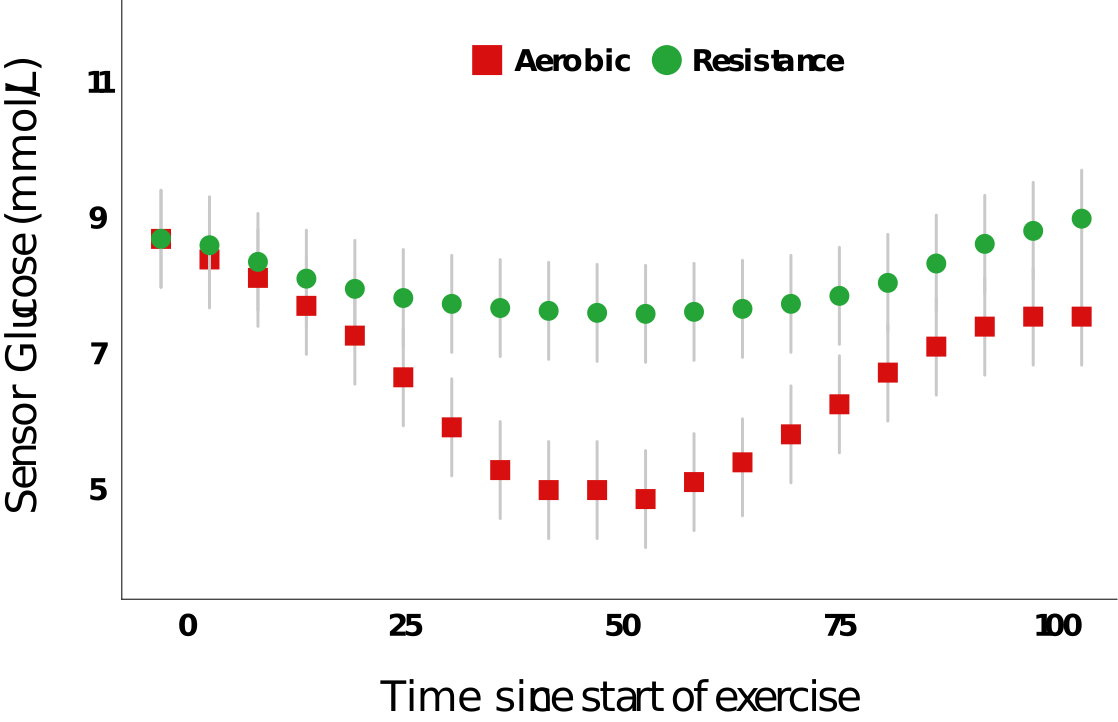
The graph above the average glucose readings through both resistance training programmes and aerobic programmes. It illustrates how resistance training has less of an impact on blood glucose levels when compared with cardiovascular training.
This is obviously great news for those thinking about adding resistance-based training into their routine. It suggests resistance training programmes have minimal effect on blood glucose levels, whilst still getting all the benefits such as improving muscular strength and tone, increasing bone density and facilitating weight loss.
Obviously this makes great reading for those thinking about adding resistance training into their fitness routine. For many it will mean that they can experience all of the benefits of strength training, including improved muscle strength and tone, increased bone density, and even can help facilitate fat loss.
Everyone is different of course, so if you’ve been diagnosed with type 1 diabetes, and you’re thinking of changing your fitness routine, please consult with a medical professional. We would also recommend working with a personal trainer experienced in this area, to support you on your fitness journey.
