

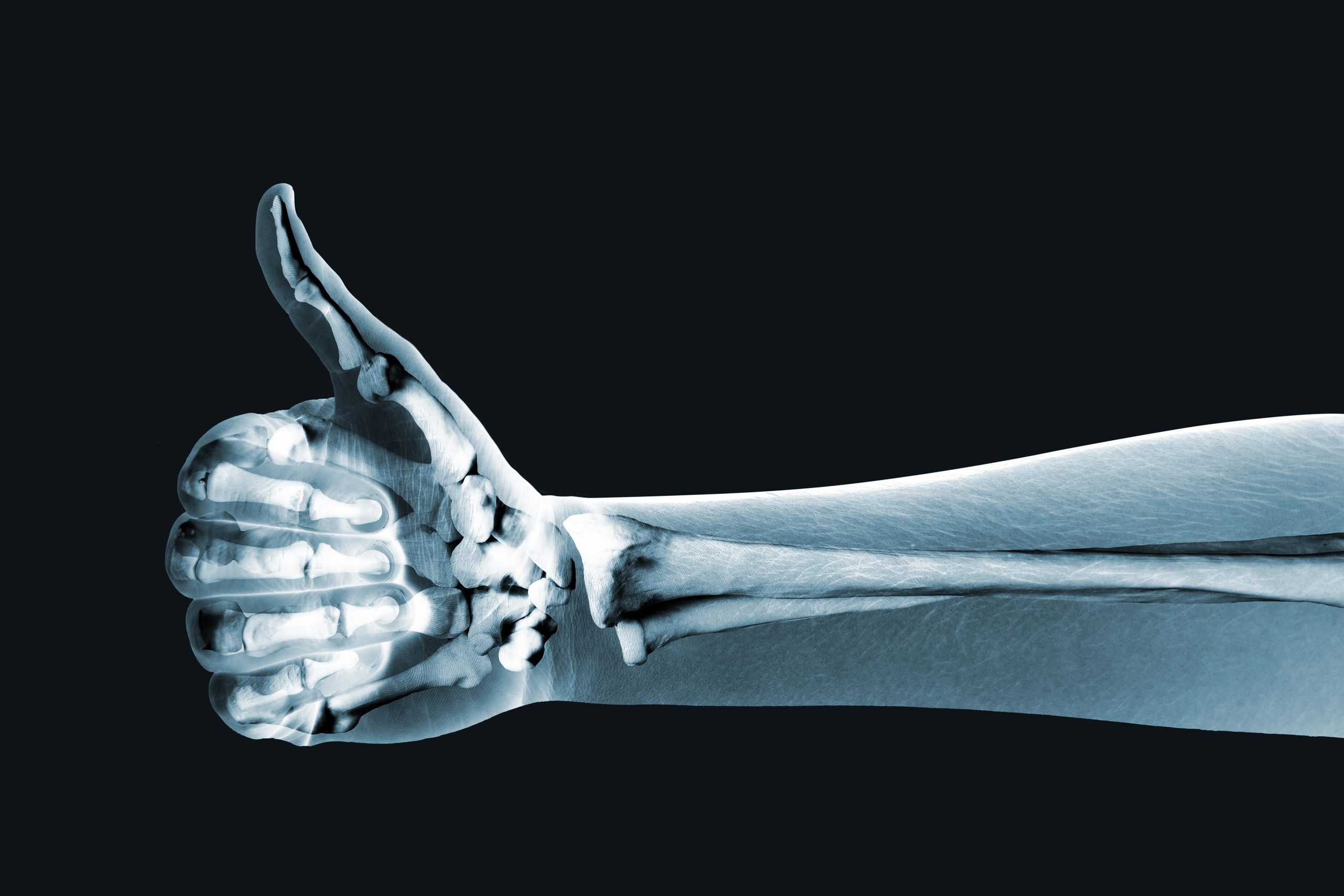
Most Common Bones Injured
Within the UK alone there were roughly 2,500,000 fractures between 2004-2014(2). With the most common fractures leading to hospitalisation being.
- Hip fractures 27% of all admissions
- Distal radius fractures 17% of all admissions
- Ankle fractures 14% of all admissions
- Hand fractures 10% of all admissions
The main reasons for these fractures come from accidental falls, such as trips, slips from as little as standing height. Osteoporosis is the second biggest cause of fractures with 3 millions people in the UK suffering from the condition. The third most common cause of high impact trauma, such as sports injuries or road traffic accidents.
How do Bones Heal
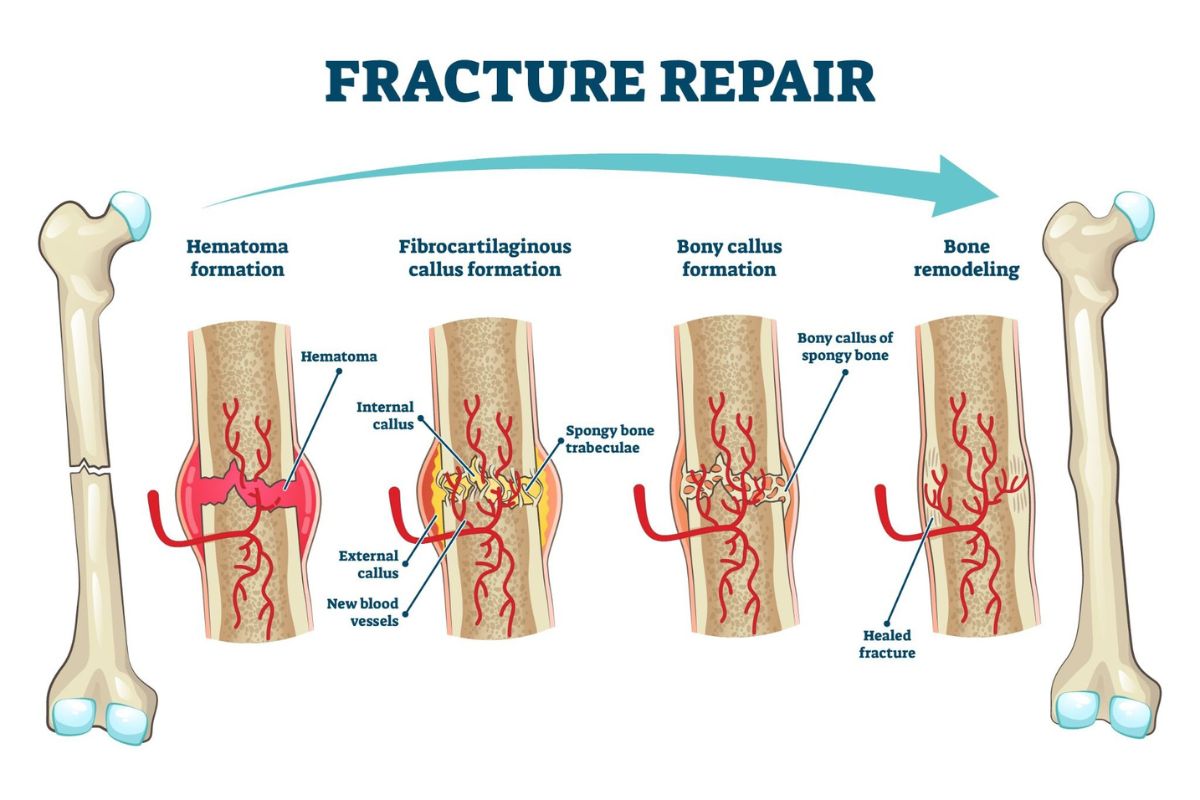
When a bone breaks, the body immediately begins repairing the damaged tissue. A blood clot forms around the fracture, followed by the development of a soft callus. Over the following weeks, this is gradually replaced by harder bone before the bone continues to remodel and strengthen. Depending on the severity and where the fracture is, bones tend to heal after roughly 6-8 weeks.
How to Prevent Fractures?
In order to prevent fractures, the best intervention is to increase the strength of the bone through its bone mineral density. Targeting the bones that are most commonly fractured such as the hips and ankles can easily target through the most common strength training exercises. The squat and deadlift. These movements also allow for higher loads to put through the bones. Especially when you compare exercises that isolate the same muscles, such as leg extensions or calf raises. Despite both being good exercises, they cannot be loaded as much therefore not increasing the bone density as much as the lifts that use the entire body.
This has a prevalence for those who are more vulnerable to breaking bones, with 30% of people over 65 in the UK falling at least once a year resulting in a fracture. According to Harvard Health, strength training can increase spinal bone mineral density by about 2%, as well as slowing down natural age related bone loss. Giving you twice the benefit. Which also shows the importance for those who suffer from osteoporosis to also try and increase bine mineral density.
The second main reason that strength training helps prevent fractures is actually reducing the likelihood of the event that causes many fractures. Falling. Due to the increase in leg, hip and core muscles needed to keep your body stable and catch yourself before you start to fall.
To Conclude…
You cannot completely eliminate the risk of breaking bones, some things are simply out of your hands. However, strengthening the bones and muscular strength can help reduce some of the factors that contribute to fractures.
References
- Wu AM, Bisignano C, James SL, Abady GG, Abedi A, Abu-Gharbieh E, et al. Global, regional, and national burden of bone fractures in 204 countries and territories, 1990–2019: A systematic analysis from the global burden of disease study 2019. The Lancet Healthy Longevity. 2021 Sept 1;2(9):e580–92.
- Jennison T, Brinsden M. Fracture admission trends in England over a ten-year period. The Annals of the Royal College of Surgeons of England [Internet]. 2019 Jan 30 [cited 2026 Sept 14];101(3):208–14. Available from: https://publishing.rcseng.ac.uk/doi/full/10.1308/rcsann.2019.0002
