

Quick Refresher
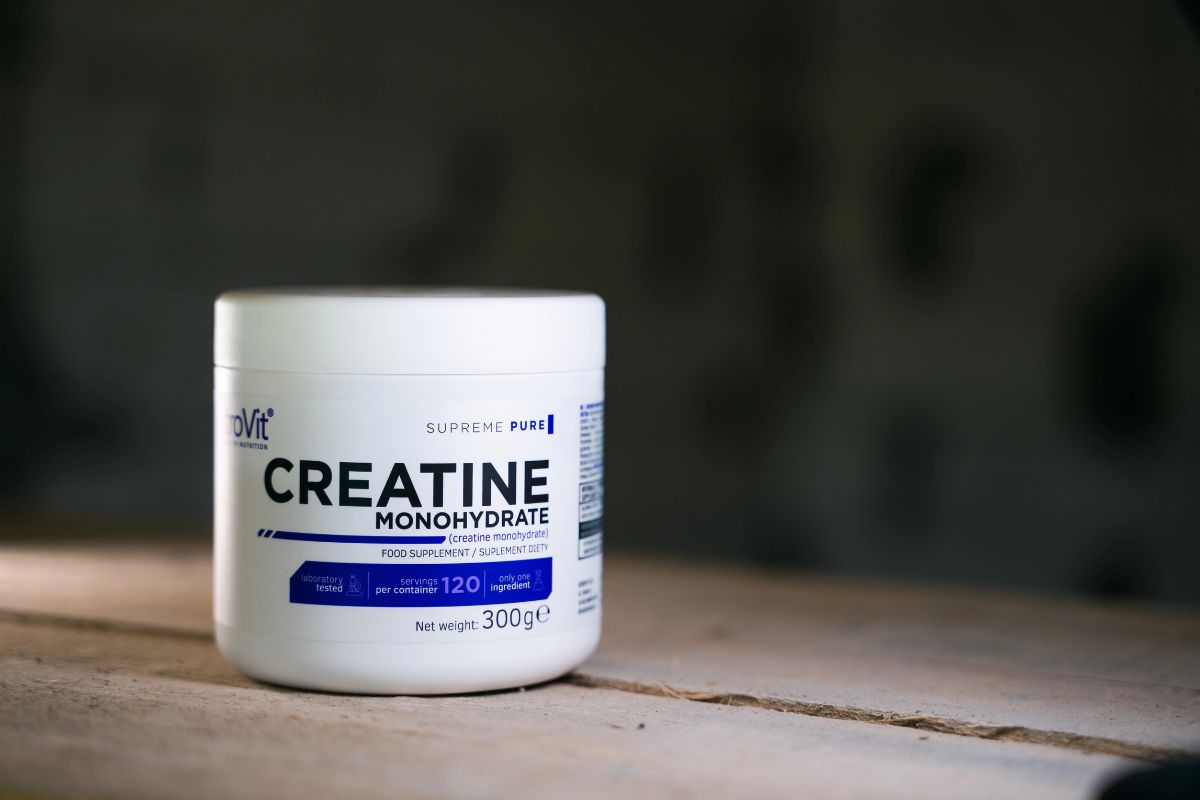
Creatine is a naturally occurring compound produced by the body and is also found in foods such as red meat and fish. Creatine is stored in your muscles, where it plays a key role in producing energy during short, high-intensity exercise.
Supplementing with creatine increases the amount stored within your muscles, allowing you to regenerate energy quicker during activities such as strength training. This can improve training performance, helping you lift more weight, perform more repetitions and, over time, build greater strength and muscle mass when combined with a well-structured strength programme. If you want to read more into creatine as a supplement, we discussed this in more detail here.
What’s the Latest Research with Creatine and Strength Training?
While creatine has traditionally been associated with athletes and gym-goers. Researchers are now investigating whether it can help older adults maintain strength and independence as they age. However, more recent research has highlighted another important benefit. The potential to support healthy aging and longevity when combined with strength training.
In one randomised controlled trial involving 45 non-athletic men and women with a mean age of 68 years, researchers found that adding creatine supplementation to a strength training programme can “double the amount of strength gained” [1]. Compared to just strength training alone. As we age, maintaining strength becomes increasingly important. Greater strength helps us stay independent for longer, makes everyday tasks easier and allows us to keep doing the things we enjoy.
Perhaps even more encouraging is that decades of research continue to reinforce creatine monohydrate as one of the safest and most effective supplements available. The research on creatine keeps reinforcing it helps with getting stronger and gaining muscle mass. It won’t do the work for you, but when you combine it with a good strength training programme, it can help you get more out of every session and make better progress over time.
Could Creatine Support an Increase in Cognitive Function?
Brain Health
One of the most exciting areas of recent research is the effect creatine may have on brain health. Just as creatine helps your muscles produce energy during strength training, it also helps your brain regenerate energy to support normal cognitive function. Early research suggests creatine may help reduce mental fatigue, support memory and improve concentration.
Menopause
For menopausal women, this could be especially beneficial. Strength training is already one of the best ways to maintain muscle mass, increase bone density and reduce the risk of osteoporosis. Adding creatine may help you get more from your training while also supporting cognitive function and potentially reducing symptoms such as brain fog, which many women experience during menopause. Although more research is needed in this area, the evidence so far is promising and reinforces that creatine is much more than just a supplement for building muscle [2] .
If you’re already following a structured strength programme, creatine could be one of the simplest ways to improve your results. If you’re unsure whether it’s right for you or need help building an effective strength training plan, get in touch—we’d be happy to help.
References
- The role of resistance training and creatine supplementation on oxidative stress, antioxidant
defense, muscle strength, and quality of life in older adults https://pmc.ncbi.nlm.nih.gov/articles/PMC10189876/#sec18 - Creatine in women’s health: bridging the gap from menstruation through pregnancy to
menopause https://pmc.ncbi.nlm.nih.gov/articles/PMC12086928/#s0004
