

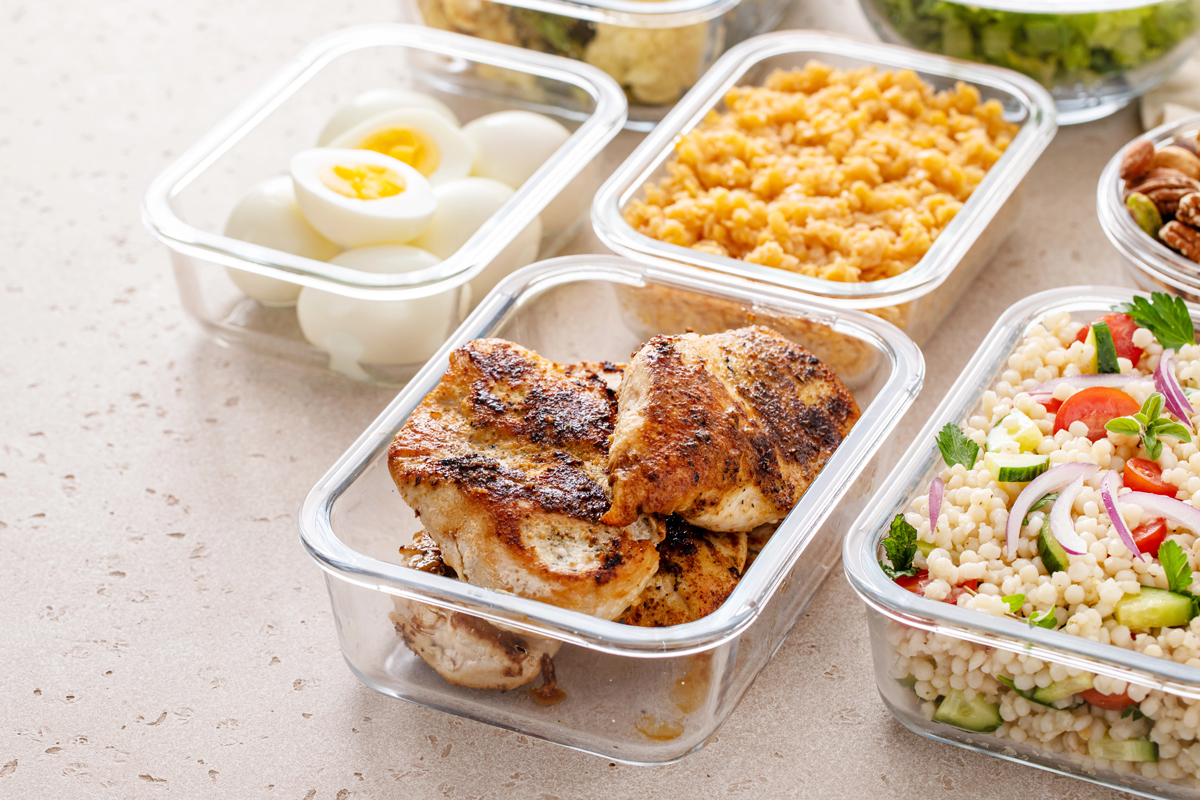
The quality of the protein you consume is just as important, as it supports recovery and overall performance. In this post, we’ll explore the different types of protein available and determine which one fuels you best.
What Is Animal-Based Protein?
Animal-based proteins are found in foods like:
Meat (beef, chicken, pork)
Fish
Eggs
Dairy (milk, cheese, whey)
These are complete proteins, meaning they contain all nine essential amino acids that your body can’t produce on its own. This is where animal protein really stands out—it plays a crucial role in muscle repair and growth. Not only does it provide the building blocks needed for protein synthesis, but it also supports efficient recovery.
In addition to protein, animal-based foods provide essential nutrients like iron, creatine, vitamin B12, taurine, carnosine and zinc—all of which play critical roles in performance, recovery, and overall health. These nutrients are either absent or significantly less bioavailable in most plant-based sources.
What Is Plant-Based Protein?
Animal-based proteins are found in foods like:
Legumes (beans, lentils)
Grains (quinoa, rice)
Nuts and Seeds
Soy and Pea Protein
Most plant proteins are incomplete, lacking one or more essential amino acids. They also tend to be lower in leucine—the key amino acid responsible for triggering muscle protein synthesis. This ultimately reduces their efficiency in supporting training recovery and progress, potentially impacting how often you can train, your muscle growth, and overall strength gains. Although some plant based proteins are complete they lack density of amino acids compared to animal protein. See below a table showing the comparison of concentration levels of amino acids in ground beef and tofu per 100g.
| Amino Acid | Ground Beef (100g) | Tofu (100g) | |
|---|---|---|---|
| Histidine | 0.93g | > | 0.26g |
| Isoleucine | 1.36g | > | 0.43g |
| Leucine | 2.26g | > | 0.74g |
| Lysine | 2.58g | > | 0.53g |
| Methionine + Cysteine | 0.88g | > | 0.26g |
| Phenylalaniene + Tyrosine | 2.02g | > | 0.77g |
| Threonine | 1.18g | > | 0.38g |
| Tryptophan | 0.27g | > | 0.09g |
| Valine | 1.57g | > | 0.50g |
Protein Quality: Why Animal-Based Is Superior for Strength Training
When it comes to fueling your body for barbell strength training, quality matters—and simply put, animal protein is superior. Animal protein has a higher biological value, meaning your body can utilise more of the nutrients and amino acids it provides. This enhances your ability to process protein effectively and support muscle protein synthesis.
Animal protein is also rich in leucine—the key amino acid that triggers the muscle-building process. Foods like beef, eggs, and whey are particularly high in leucine, making them especially effective at stimulating muscle growth.
When comparing leucine levels in animal and plant proteins per 100 grams, it’s clear that animal protein is significantly superior. For example, Parmesan cheese contains around 3.5 grams, and chicken breast about 3 grams of leucine per 100 grams. In contrast, leading plant-based sources like lentils and chickpeas contain only about 0.65 grams and 0.55 grams per 100 grams.
Numerous studies support the advantages of animal protein in strength training. For instance, a review of 18 relevant studies comparing animal and plant protein concluded that animal protein is more effective at increasing lean muscle mass. The difference in lean mass gain was statistically significant, largely due to the way the body digests and utilises animal protein. Animal protein tends to be broken down more efficiently and contributes to a greater rise in metabolisable protein (MP)—the protein available for use by the body after digestion¹.
Protein Density Something to Think About
When considering which form of protein is better for you, one important factor to think about is the protein density of the foods you’re eating, especially if you’re concerned about staying within your daily calorie (kcals) goals. Protein density refers to a food’s protein content relative to its calorific value. Let’s compare animal and plant proteins per 100 grams.
Starting with animal protein, one common example is chicken breast. A 100-gram serving of chicken breast contains roughly 31 grams of protein and 165 calories. In contrast, among plant proteins, tofu contains roughly 9 grams or protein per 100 grams and 80 calories.
As you would need to consume three times as much tofu to match the protein content of the chicken breast this would lead to an additional calorie consumption of 75Kcals (240kcals vs 165kcals).
Talking Protein Supplements
When it comes to protein supplements, choosing the right one can feel overwhelming. However, whey protein powder is often the easiest, most affordable, and most versatile option. Simply add one scoop to water or milk, shake it up, and it’s ready to drink. You can also mix it into porridge or overnight oats—there are plenty of quick and protein-packed recipes online for breakfasts, shakes, or smoothies.
A standard scoop of whey protein typically contains around 20 grams of protein and roughly 120–130 calories. If you’re looking for something more calorie-dense, a whey-based mass gainer might be a better fit. These products usually contain 30–50 grams of protein and 300–600 calories per serving, depending on the brand and serving size.
Whether you’re after something lean or looking to increase your overall calorie intake, there’s a whey supplement to suit your training and nutrition goals.
Keep it Simple
For barbell strength training, animal-based proteins offer superior amino acid profiles, better digestibility, and proven results when it comes to building strength and muscle.
So, if you’re chasing PRs or looking to optimise your performance, recovery, and growth, animal protein is the way to go. Prioritise high-quality sources like steak, eggs, and chicken, train hard, stay consistent, and keep showing up—you’ll hit your goals in no time.
References
