Bottom Tier Weightlifting Shoes
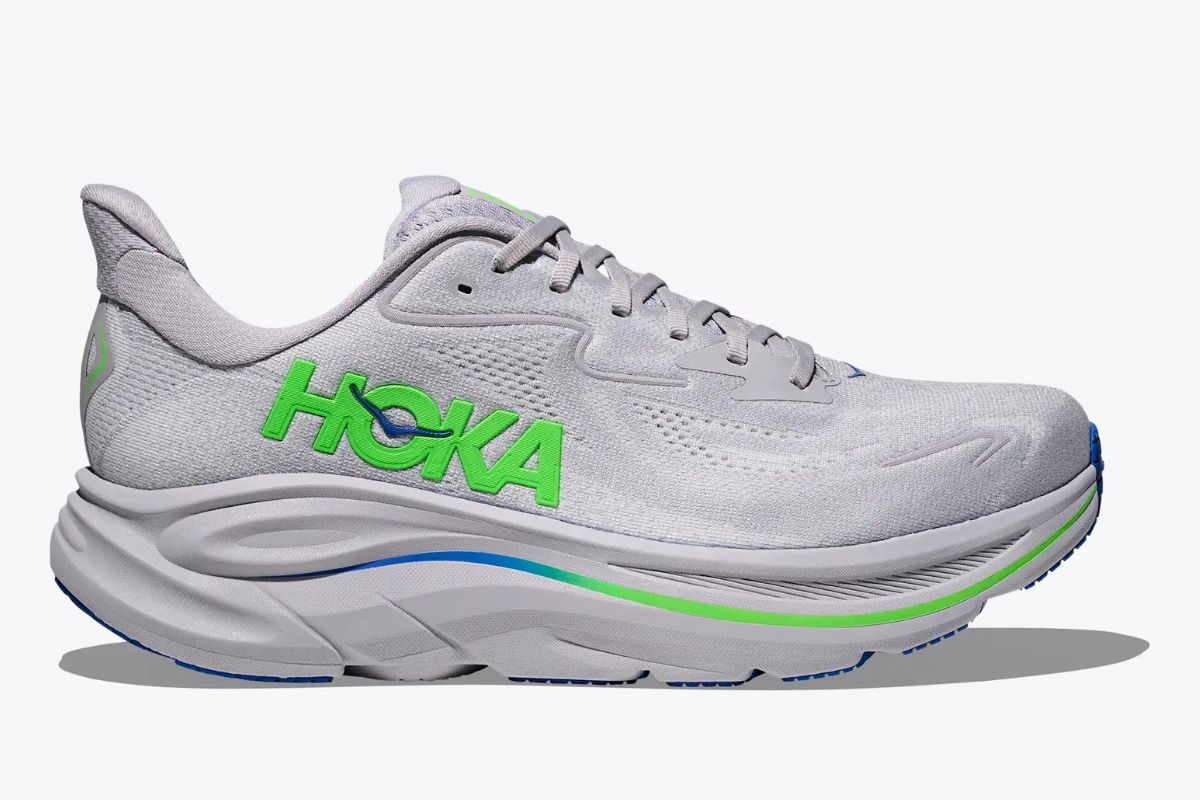
Running Shoes – Arguably the worst shoes to wear when partaking in strength training. This is the shoe that most people commonly wear at the beginning of their strength training journey, myself included!
The reason why these shoes are some of the worst to wear is its lack of stability. Spongy souls allow for lots of small movements within the feet which transfers up into causing instability in the knees and hips. Drastically affecting the lift and actually increasing the risk of injury. Another reason for the dislike for running shoes is that a soft sole will absorb energy pushed into the ground, which is then wasted whilst trying to generate force.
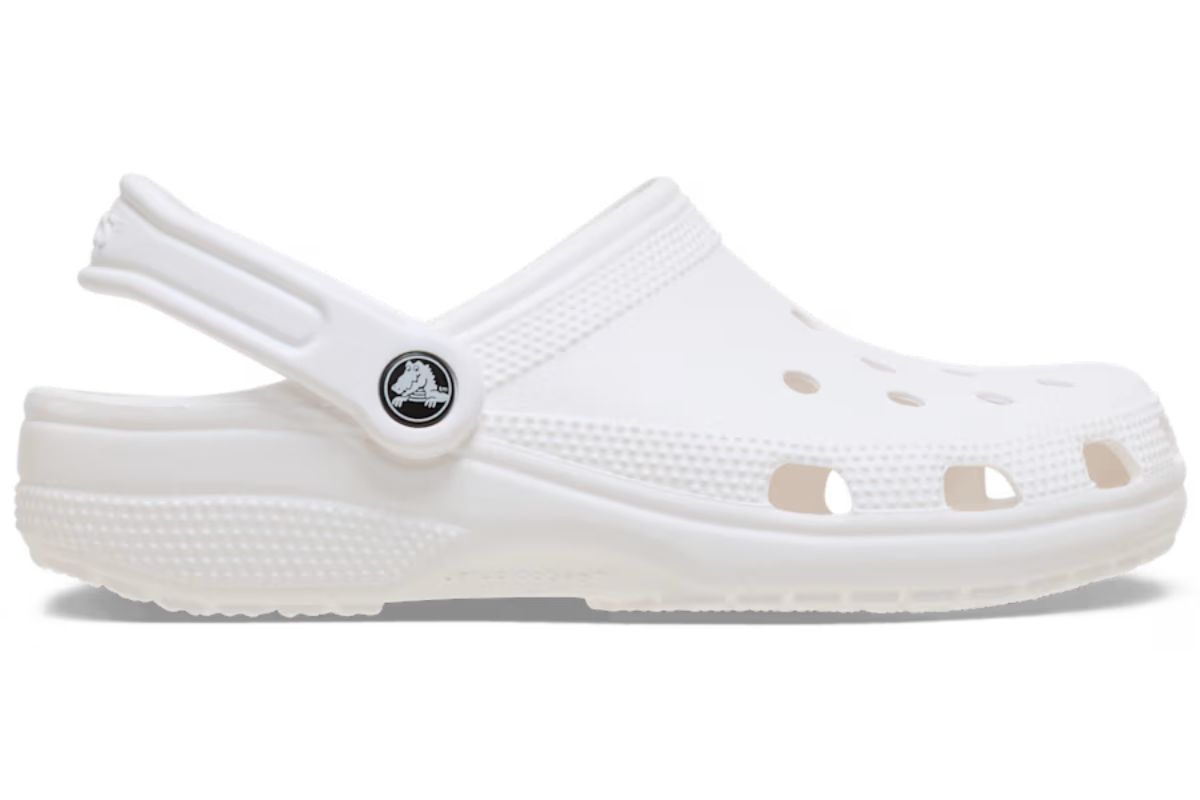
For the same reason as running shoes, Crocs are also a very poor choice of shoe when weightlifting, for the same reasons as running shoes. Lack of stability, soft soles causing more movement within the foot will slow down progress and once again, increase your risk of injury. Even when put in sport mode.
Mid Tier Weightlifting Shoes
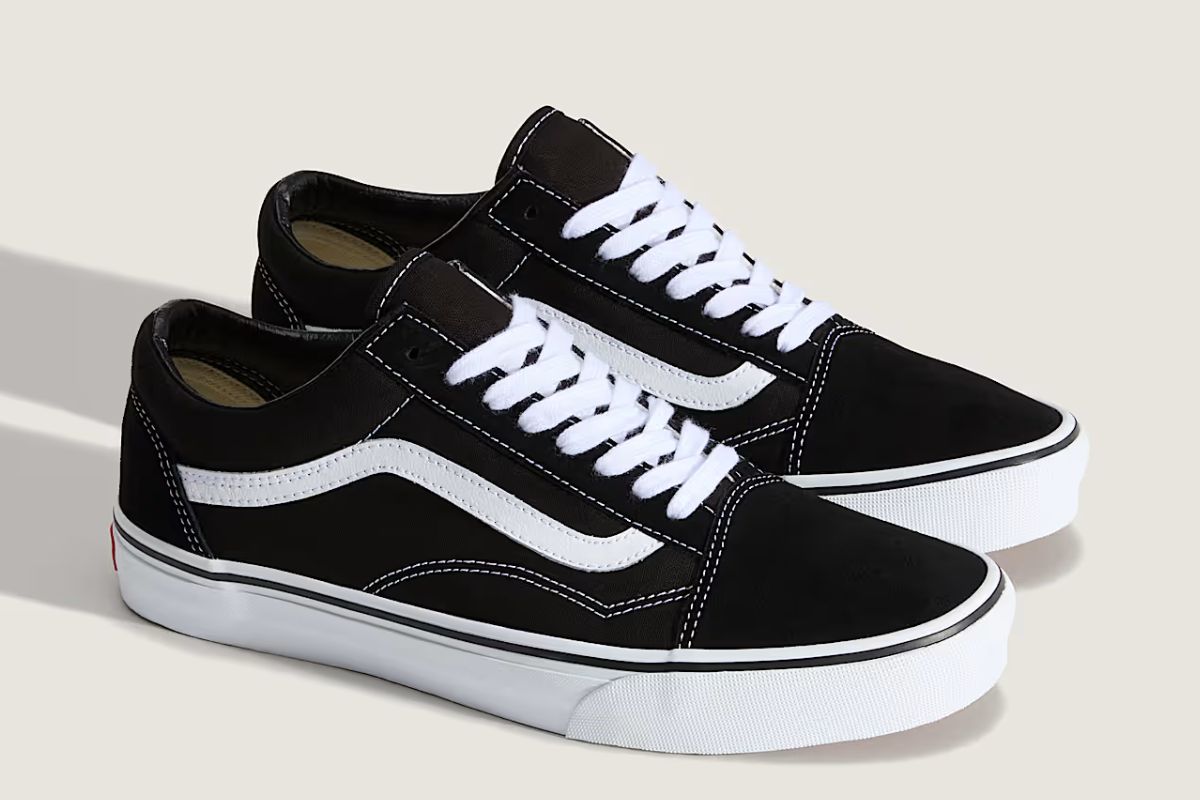
Flat shoes can take you extremely far in your strength training journey, such as Vans or Converse style shoes that have much flatter soles. This enables you to have much more of a stable foundation which is extremely important when performing compound lifts such as squats and deadlifts. This then puts less strain on your knees and hips by force being able to be distributed evenly.
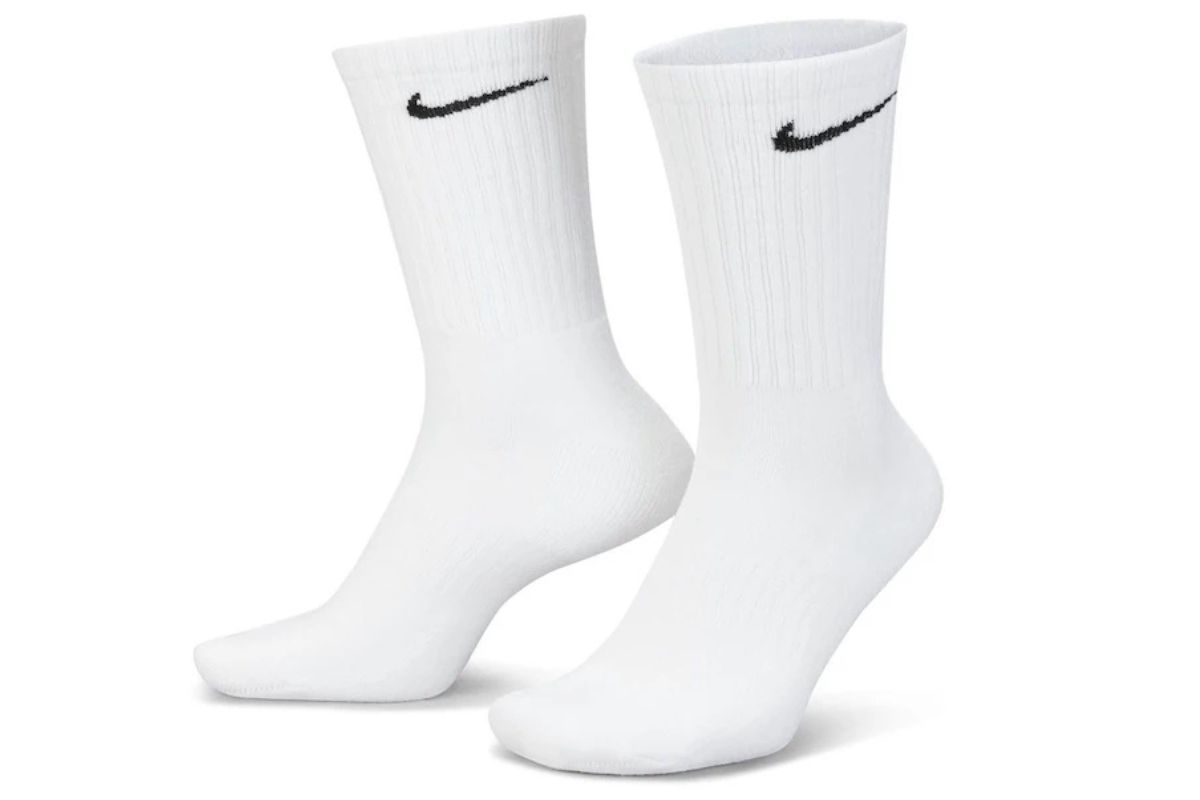
Wearing no shoes all together (preferably with socks still on) will give you a similar experience as flat soled shoes. Arguably slightly better, as they give you direct contact to the ground and allow maximal proprioception when lifting. Some could argue that deadlifting in socks is the best choice, even better than weightlifting shoes.
Top Tier Weightlifting Shoes
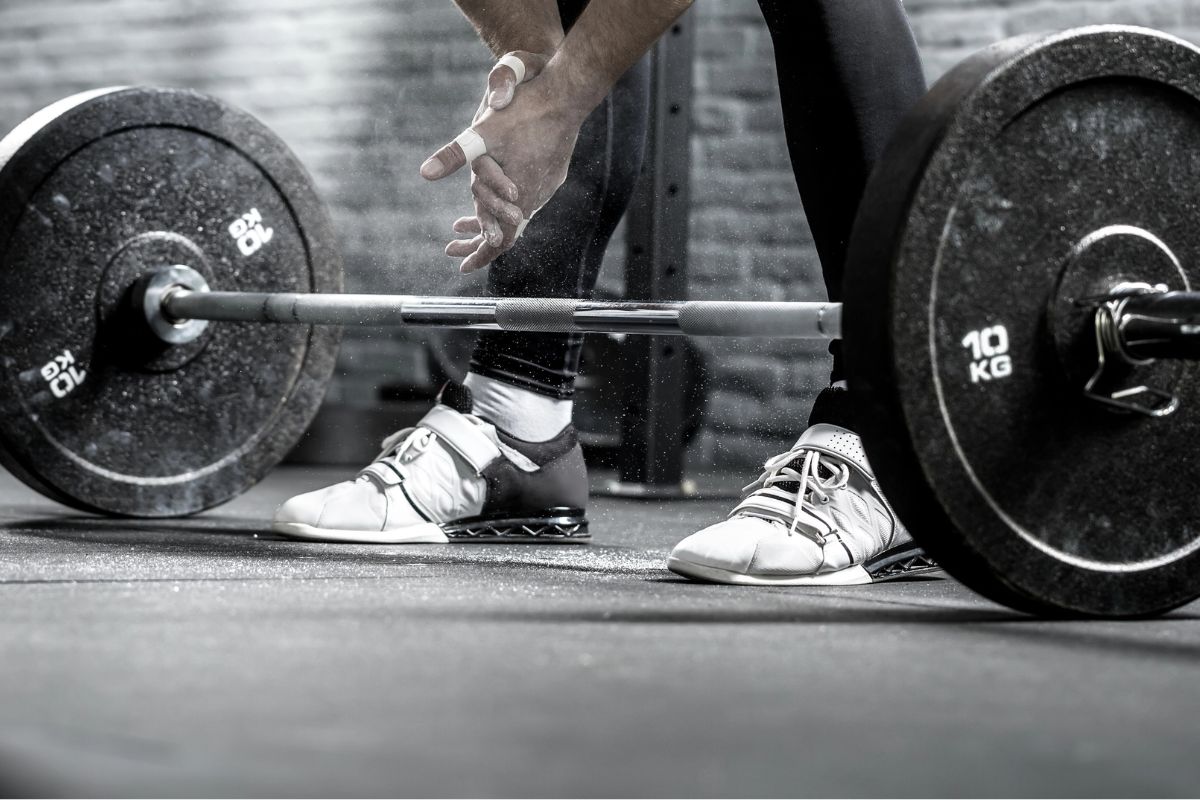
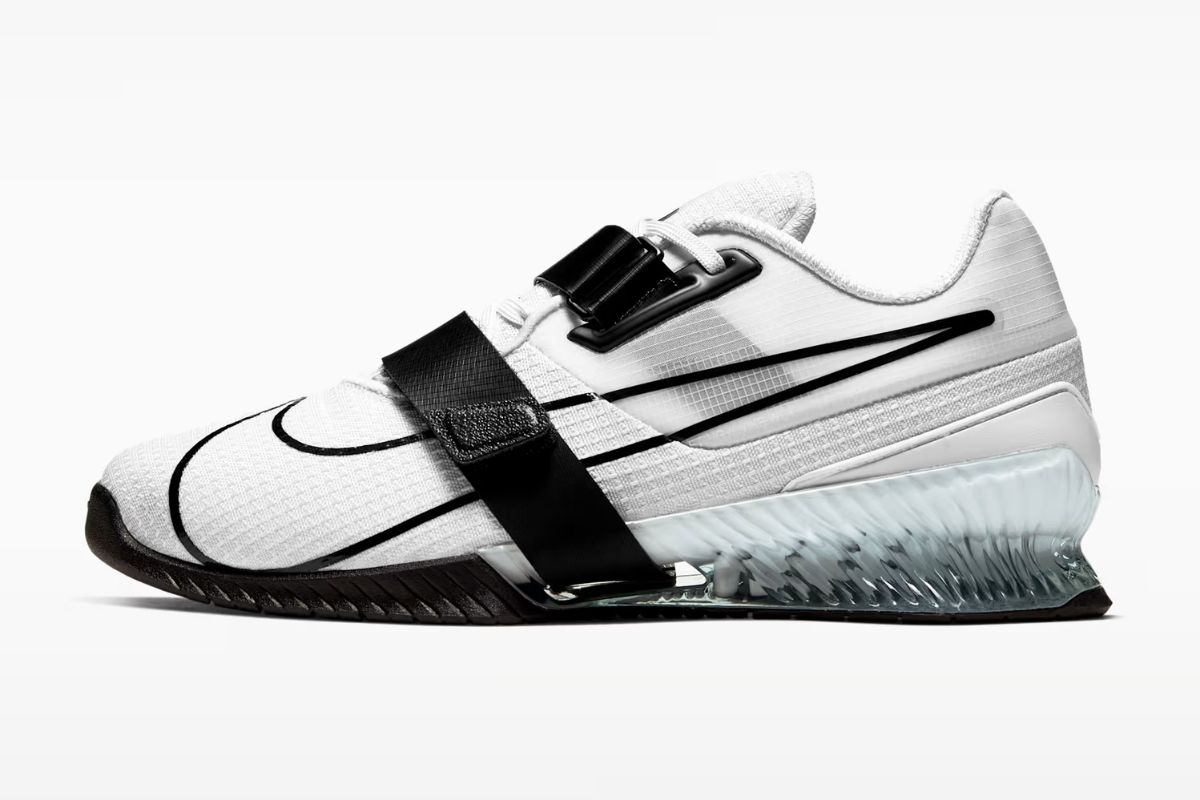
Probably without exception, the best shoes to perform weightlifting in, are weightlifting shoes. They provide the most stable and non-compressible base, with an elevated heel that helps with depth and posture. Increasing safety by often having a large strap over the metatarsals securing the foot in place. Providing more lateral stability and allowing for the greatest amount of force production, ultimately leading to heavier lefts. Due to the shoes stability, it also allows for a standardised movement for every rep. This happens as the foot cannot move around within the shoe, which can slightly alter each, making a big difference when trying to achieve PB’s.
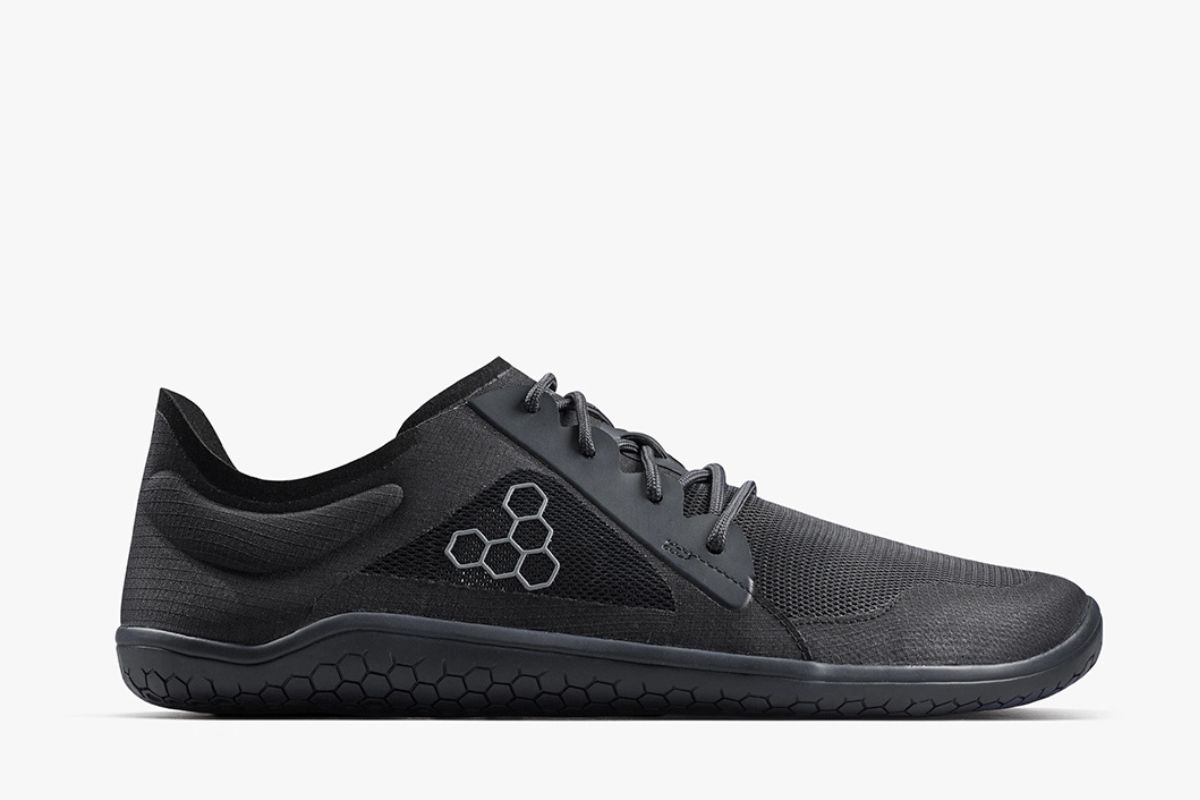
Barefoot shoes are arguably the best for deadlift similar to socks. Due to having a thin, flat and wide toe box design increases stability, balance and force production. It can also be argued it will allow you to increase mobility of the ankles more than weightlifting shoes. As due to the raised heel in weightlifting shoes require less range of motion to achieve the same depth.
Top Tier
Middle Tier
Bottom Tier