

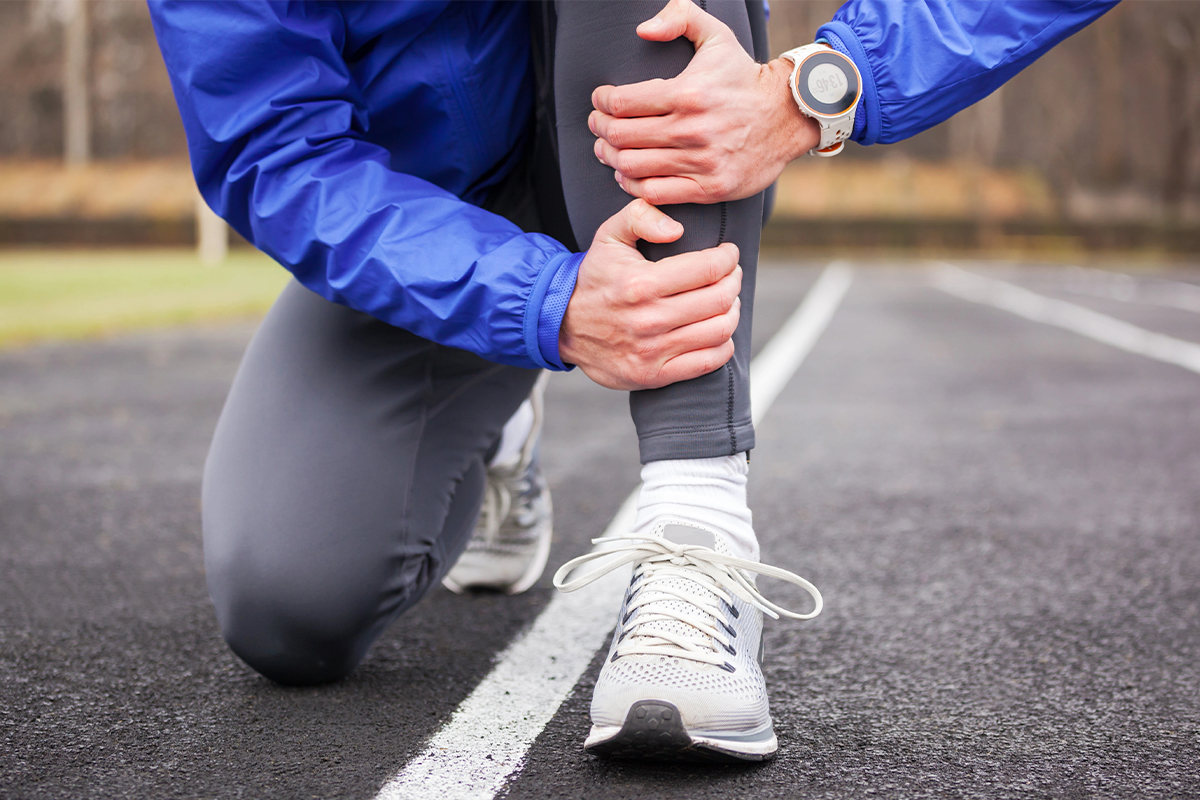
Shin splints often result from a failure to warm up properly, a sudden increase in training mileage, or hyperpronated feet which can cause excessive strain on the tibia bone. This can lead to the muscle, tendons and bone tissue becoming overworked. Initial discomfort from small stress fractures occurs at the tibia. If not treated carefully and promptly this discomfort will only get worse, over extended periods, and begin to affect everyday life as well as when aggravated through sport.
Common Causes & Symptoms
Foot positioning (gait) is a huge indicator of someone who may be prone to getting shin splints. Particularly when running, as a person heel strikes they induce fast internal rotation of the tibia as the heel transitions from an inverted to everted position, which causes traction of the soleus and flexor digitorum longus muscles leading to the tibia to bend or bow. This can develop into excessive pronation, which puts more strain on the posterior tibia tendon and leads to repetitive micro damage, and eventually shin splints.
One study revealed that shin splints can be caused by a lack of internal rotation at the hip. As with the gait explanation above, running can contribute to this as a lack of internal hip rotation can lead to ankle overpronation (arch of the foot flattening and the foot rolls inwards) which in turn causes increased strain on the tibia.
Progressing with training too quickly can be another cause. A sudden increase in training volume, for example a jump in running miles, can add too much strain onto the bone before the tissues have become stronger and able to withstand the stress. An obvious way to avoid this is to gradually increase the volume at a controlled pace
Treatment & Rehabilitation
There is no single ‘gold standard’ approach to shin splints rehabilitation – but many different approaches that can be used to help accelerate recovery time and reduce risk of future reinjury.
Reduction in Activity – In most cases completely resting and stopping all activity will do more harm than good. As long as the injury isn’t too severe, cutting down on activity will be extremely beneficial, usually a 50% reduction initially. This allows the tissues to have time to repair, as one of the main contributors for repeated occurrence of shin splints is a lack of repair time. Activity levels/training volume can then be built back up slowly, in a controlled environment.
Strength Training – Strengthening the surrounding muscle tissues in the shin (gastrocnemius, soleus, tibialis anterior, tibialis posterior to name a few) will aid rehabilitation. This is due to the muscles being key for absorbing impact when performing activities. If the muscles are stronger they are able to absorb more impact and reduce the stress placed upon the bones. This is key for the soleus muscle in particular.
If you are suffering with shin splints, we would be happy to provide an assessment for you – please book an initial consultation using the button below.
